



Sustainability reporting software can help data centre owners, operators and infrastructure teams organise the growing amount of environmental information connected with energy, emissions, water, suppliers and facility operations. For Australian data centres, this is becoming more important as the sector expands and expectations around energy efficiency, responsible resource use and climate-related reporting continue to develop.
The Australian Government’s expectations for data centres and AI infrastructure now place greater emphasis on energy demand, emissions, clean energy, water efficiency and transparent reporting. At the same time, Australia’s mandatory climate-related reporting regime is being phased in across eligible organisations.
The role of sustainability reporting software is therefore broader than producing an ESG report at the end of the year. It can help teams maintain the underlying information throughout the reporting period, understand where data came from, connect supporting evidence and identify gaps before they become reporting problems.
Why Sustainability Reporting Matters for Data Centres
How sustainability reporting software helps manage environmental information
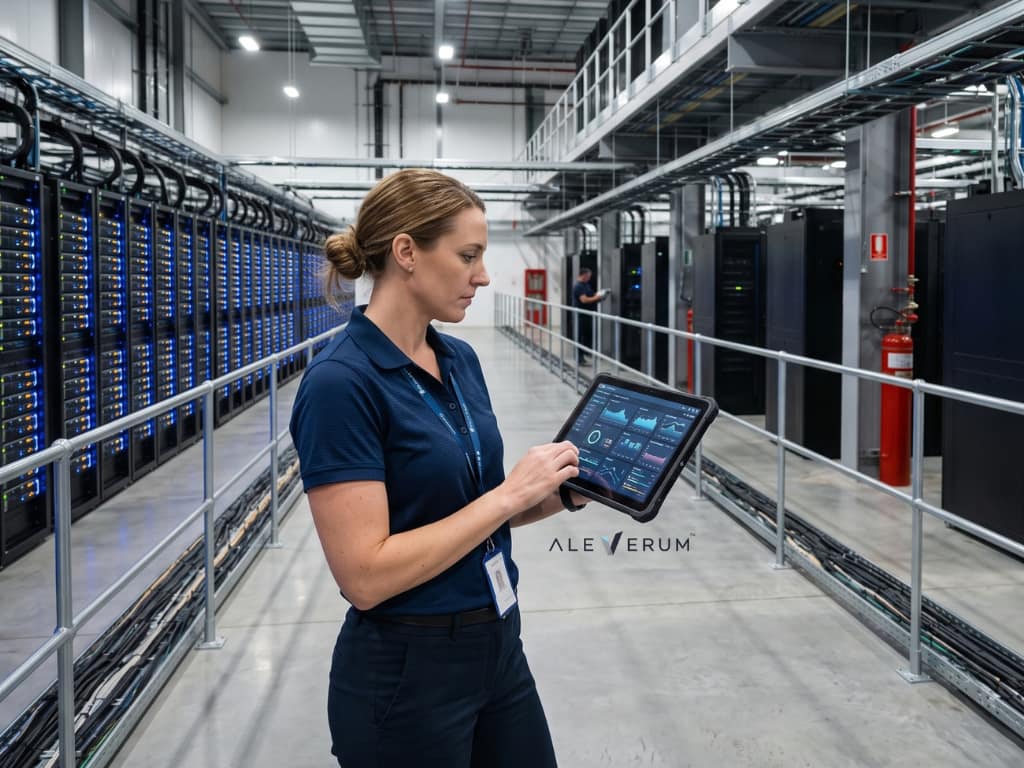
Data centres have a different environmental profile from many other businesses because their operations depend heavily on electricity, cooling infrastructure, backup power and specialised equipment.
A single facility may need to manage information about electricity consumption, cooling performance, generator fuel use, renewable electricity arrangements, water consumption and equipment efficiency. Supplier information and supporting documentation may also sit across several departments or external organisations.
Sustainability reporting software can help bring these records into a more structured environment rather than leaving them scattered across spreadsheets, invoices, emails and facility systems.
For operators managing multiple locations, this can also make it easier to separate facility-level information from group-level reporting while still maintaining a consistent information structure.
The goal is not to collect every possible environmental metric. Businesses should focus on information that is relevant to their operations, reporting obligations and sustainability objectives.
Why sustainability reporting software supports growing ESG expectations
Environmental performance is becoming increasingly visible in discussions about Australian data centre development.
New and expanded data centres are expected to consider energy efficiency, emissions, clean energy, water availability and transparent reporting. These expectations add to broader esg compliance and climate-reporting responsibilities that may apply to individual organisations.
Sustainability reporting software can help teams maintain the information needed to respond to these requirements in a more consistent way.
However, software should not be treated as proof of compliance. Whether a data centre meets particular reporting or regulatory requirements depends on the organisation, location, applicable laws and the quality of the information being reported.
The software supports the process. It does not replace legal, accounting, sustainability or environmental judgement.
Managing Energy and Carbon Information
How sustainability reporting software organises energy and emissions data
Energy is one of the most important sustainability considerations for data centre operators.
Electricity information may come from utility bills, meters, energy-management systems, renewable electricity arrangements and facility platforms. Backup generators can create another source of fuel and emissions information.
When these records are managed separately, reporting teams may need to spend considerable time reconciling different data sources.
Sustainability reporting software can help connect electricity consumption, energy sources, renewable energy information, backup generation, emissions records and supporting evidence with the correct facility and reporting period.
Australian operators may also use NABERS Energy ratings to understand operational energy performance. NABERS and sustainability reporting software serve different purposes. NABERS provides an established performance-rating framework, while reporting software can help manage the wider information used across sustainability and disclosure processes.
Used together appropriately, these systems can provide teams with a clearer picture of both operational performance and the evidence behind reported information.
How sustainability reporting software supports corporate carbon footprint information
Carbon reporting is not simply a matter of entering an emissions figure into a report.
Depending on an organisation’s reporting requirements, teams may need to understand Scope 1, Scope 2 and Scope 3 emissions and maintain the information used to calculate or support them.
For data centres, this may involve electricity, backup generators, purchased equipment, construction activities, services and other parts of the value chain.
Sustainability reporting software can help organise the data sources, evidence, methodologies and reporting periods that sit behind corporate carbon footprint information.
Businesses should still distinguish between software that manages emissions data and software specifically designed to calculate emissions. Some platforms focus on governance and evidence, while specialist carbon accounting systems may perform calculations based on defined methodologies.
Understanding this distinction helps organisations choose a solution that matches the problem they are actually trying to solve.
Tracking Water and Environmental Performance

How sustainability reporting software manages water-use information
Water use is becoming a more important consideration for data centre operators, particularly where cooling requirements interact with local water availability.
Different facilities may use different cooling technologies and water sources, which means water information should be considered in the context of the individual site rather than treated as a single company-wide number.
Sustainability reporting software can help teams organise water consumption, water sources, cooling-system information, recycled or non-potable water use where relevant, and supporting utility records.
Maintaining this information consistently makes it easier to understand changes over time and respond when customers, regulators, investors or internal teams request environmental information.
The software itself does not determine whether water use is sustainable. That assessment depends on factors such as facility design, regional conditions, available water sources and operational requirements.
How sustainability reporting software supports environmental sustainability reporting
Environmental sustainability reporting for data centres often involves more than energy and carbon.
Water, waste, equipment, suppliers and environmental evidence may all contribute to a broader view of performance.
Sustainability reporting software can help bring these different information categories together without treating them as identical.
For example, electricity data may be updated continuously, while supplier environmental records may only change periodically. Certifications may need review when they expire, while facility data may be monitored more frequently.
A structured information environment helps teams understand what data is available, who owns it, which facility it relates to, when it was updated and what evidence supports it.
This creates a stronger foundation for environmental sustainability reporting than trying to gather information from different departments every time a disclosure or customer questionnaire is due.
Managing Supplier and Infrastructure Data
How sustainability reporting software connects supplier information
A significant amount of sustainability information associated with a data centre may come from outside the operator’s own systems.
Equipment manufacturers, construction companies, cooling providers, energy suppliers and technology vendors may all hold information that contributes to sustainability reporting.
For organisations assessing Scope 3 emissions or wider environmental impacts, supplier information can become especially important.
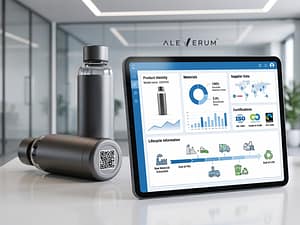
Sustainability reporting software can help connect supplier records with the relevant facility, asset, product or reporting period.
For example, environmental information relating to cooling equipment can be connected with the facility where that equipment is installed. Supplier evidence relating to construction materials can be linked with a particular development project.
This does not remove the need for supplier engagement. Businesses still need processes for requesting information, checking whether it is current and following up when important data is missing.
How sustainability reporting software keeps environmental evidence organised
Reliable reporting depends not only on the information itself but also on knowing where that information came from.
Supporting evidence can include supplier declarations, environmental certificates, energy invoices, equipment documentation, metering records, methodology documents and facility reports.
Sustainability reporting software can help maintain a connection between a reported figure and the documentation or source information behind it.
This gives teams a clearer information trail when data needs to be reviewed or prepared for assurance.
However, storing evidence does not automatically prove that the information is correct or independently verified. The value comes from improving traceability so teams can understand the origin, context and review status of each record.
That makes environmental information easier to govern and easier to explain.
Supporting Australian and International ESG Reporting
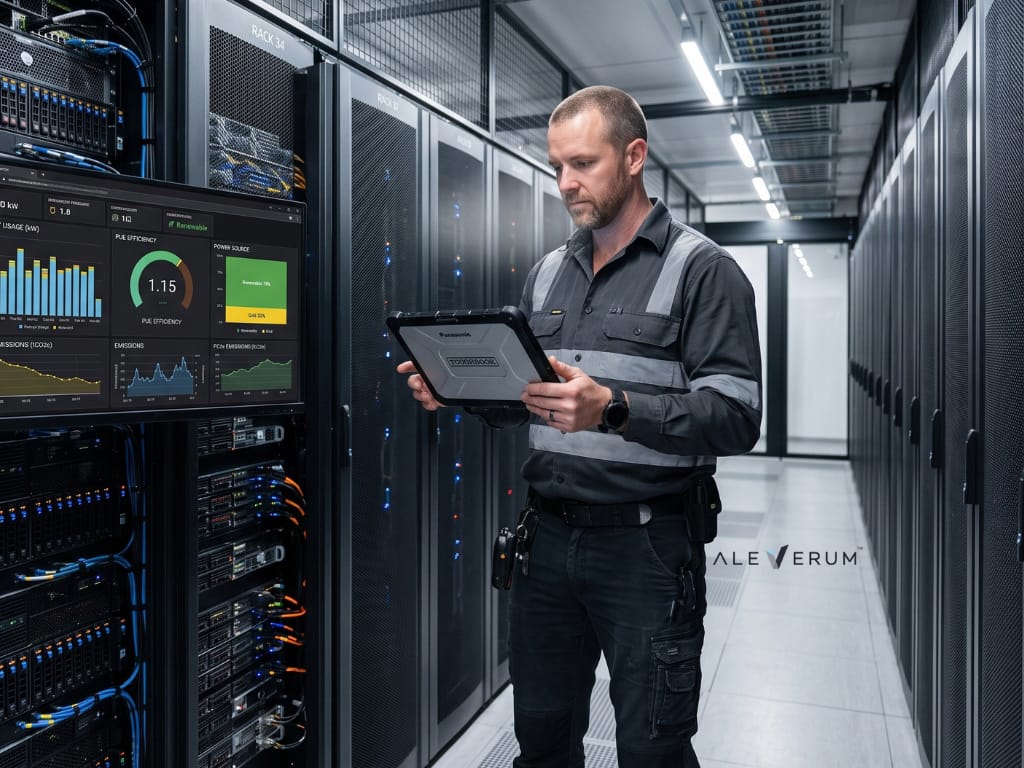
How sustainability reporting software supports ESG compliance workflows
Australia’s mandatory sustainability reporting requirements are being introduced progressively across eligible organisations.
Whether a data centre owner or operator falls within these requirements depends on the relevant entity thresholds and reporting criteria.
Where reporting applies, businesses need more than a final disclosure document. They need reliable underlying information, clear responsibilities, supporting evidence and an understanding of how figures were prepared.
Sustainability reporting software can help organise source information, reporting periods, methodologies, review status, version history and approval processes.
These capabilities can make reporting and assurance preparation more manageable, particularly where several teams contribute information.
The software should be viewed as part of a broader ESG compliance process rather than a substitute for professional advice or regulatory assessment.
How sustainability reporting software can organise CSRD and IRO information
Australian data centre businesses with European operations, customers, investors or related entities may also encounter European sustainability information requirements.
Where csrd compliance is relevant, organisations may need to manage information connected with environmental impacts, risks and opportunities.
CSRD IRO processes involve identifying and assessing impacts, risks and opportunities that may be material to the organisation.
Sustainability reporting software can help organise the underlying environmental, supplier and operational information used in those assessments.
European sustainability rules continue to evolve, including changes associated with omnibus directive esg reforms. For that reason, Australian businesses should confirm which requirements currently apply rather than relying on older guidance.
The platform can help organise the information, but decisions about materiality, scope and legal obligations still require appropriate professional judgement.
Choosing Sustainability Reporting Software for a Data Centre
What to look for when comparing sustainability reporting software
Not every sustainability platform is designed for the same purpose.
Some focus on carbon calculations, while others specialise in ESG disclosures, supplier information, facility data or broader environmental reporting.
Before choosing sustainability reporting software, data centre operators should first define the information problem they need to solve.
Useful areas to compare include:
- Facility-level energy, water and emissions data
- Supplier and evidence management
- Version control and approval workflows
- Integration with existing enterprise systems
- User permissions and reporting capabilities
- Scalability across multiple facilities
It is also important to understand whether the platform performs carbon calculations or simply manages the information used in those calculations.
Businesses should ask vendors to clearly distinguish between features that are available today and capabilities that are still planned.
This makes comparisons more useful and reduces the risk of selecting software based on features that do not support the organisation’s real reporting requirements.
How sustainability reporting software compares with broader ESG platforms
The terms sustainability reporting software and environmental social and governance software can describe very different systems.
One platform may focus on preparing corporate disclosures. Another may specialise in emissions calculations. A facility-management system may contain detailed operational data but provide limited governance or reporting functionality.
For many data centre operators, the best approach may involve connecting several existing systems rather than replacing them all.
Aleverum™ provides a governed information foundation designed to help organisations structure environmental, supplier, facility, asset and supporting evidence information across enterprise workflows.
For organisations comparing Aleverum™ with other sustainability reporting software, the important question is whether the platform supports the information relationships, governance processes and integrations the business actually needs.
Choosing software should begin with the data and reporting problem, not simply with the software category.
Building a Stronger Sustainability Data Foundation

How sustainability reporting software supports long-term data centre reporting
Sustainability reporting works best when information is maintained throughout the year rather than assembled shortly before a deadline.
Energy information may change monthly or continuously. Water use can shift with operating conditions. Supplier certificates can expire. Equipment may be replaced, and emissions methodologies may change.
Sustainability reporting software can provide a structure for maintaining these records as they change.
A useful starting point is to understand where current information lives and which systems should remain authoritative.
Data centre operators should review how energy, water, emissions, supplier information and supporting evidence are currently stored, who is responsible for maintaining them and where duplication or gaps occur.
Once this is clear, businesses can determine where a sustainability reporting software platform could improve governance without unnecessarily replacing systems that already work well.
This approach helps ensure that technology supports the reporting process rather than creating another disconnected information system.
How sustainability reporting software creates more reliable environmental records
For Australian data centres, sustainability information is increasingly connected with operational performance, investor expectations, customer requirements and formal reporting obligations.
NABERS provides an established Australian framework for assessing actual data centre energy performance, while broader reporting requirements place increasing emphasis on emissions, water management and environmental information.
Sustainability reporting software can help create a stronger foundation by connecting relevant energy, emissions, water, supplier and evidence records in a more governed structure.
The first step does not have to be replacing existing systems.
Instead, businesses should ask whether they can reliably identify which information is current, trace important figures back to their source, separate facility-level data from group reporting and locate supplier evidence when it is needed.
If those tasks are becoming difficult, reviewing sustainability reporting software may be a practical next step.
For organisations looking to strengthen how data centre sustainability information is collected, connected and governed, Aleverum™ can support a structured approach to trusted environmental, supplier and facility information across complex enterprise environments.
