
Global Batch Traceability: How It Supports Recalls
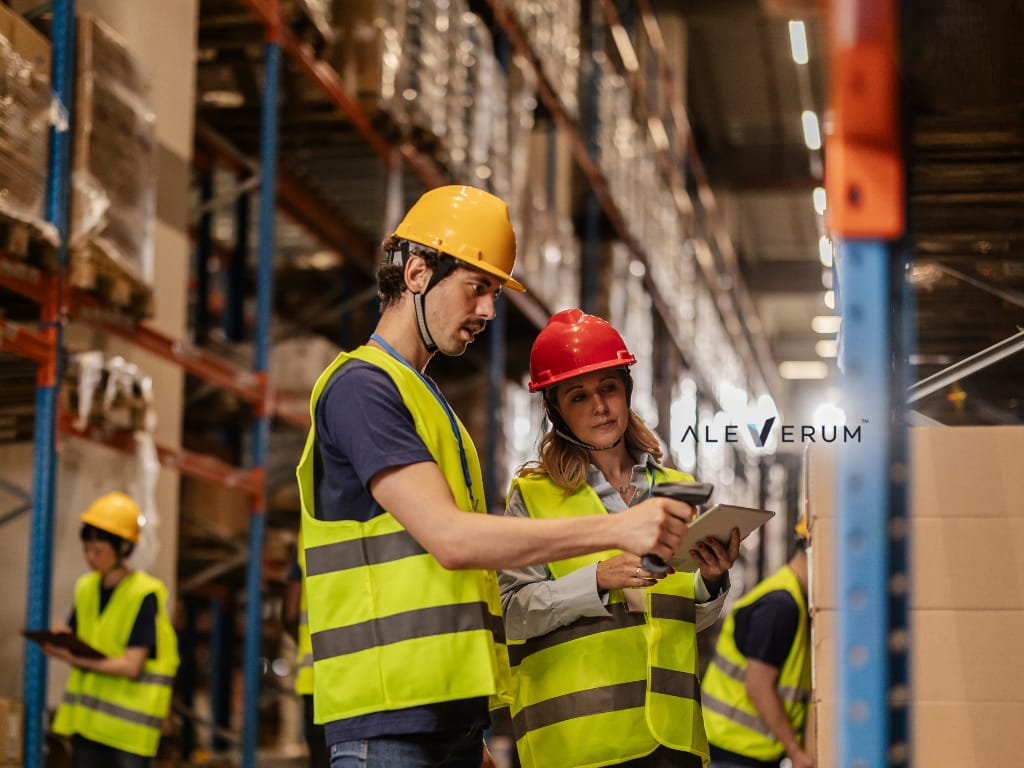
Global batch traceability gives businesses a clearer way to identify what was produced, which materials or ingredients were involved, where a batch went and who may have received it. When

Global batch traceability gives businesses a clearer way to identify what was produced, which materials or ingredients were involved, where a batch went and who may have received it. When
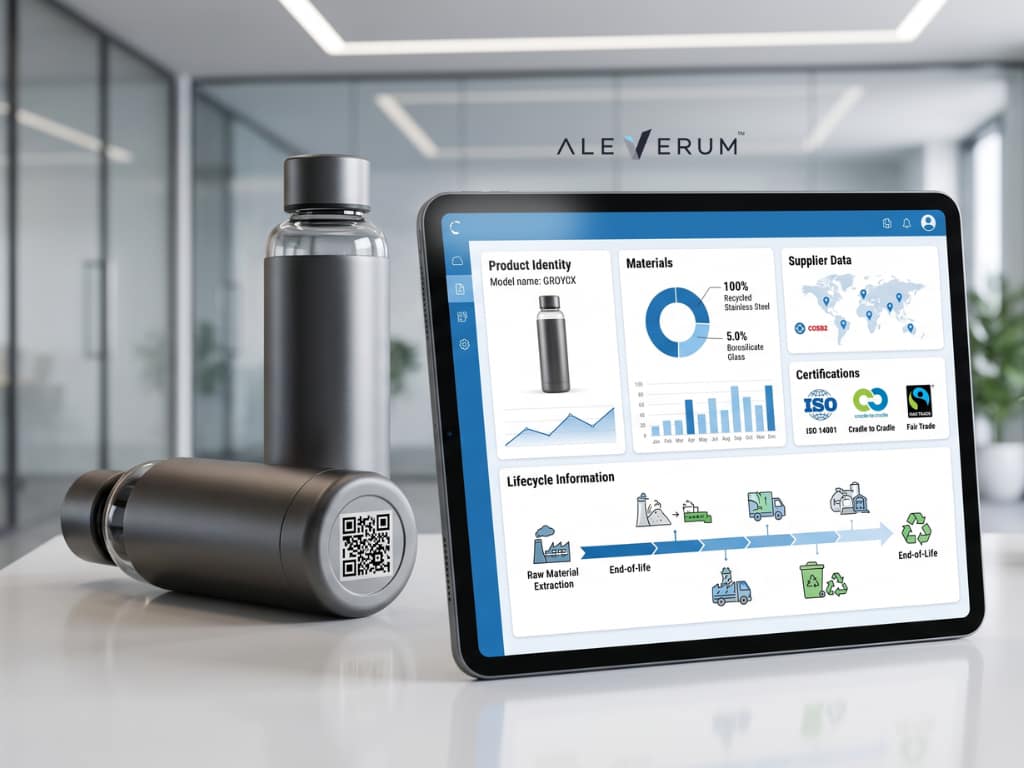
A digital product passport platform can help businesses organise the product information, identifiers, evidence and system connections needed as Digital Product Passport requirements move from policy into practical implementation. For

Sustainability reporting software can help data centre owners, operators and infrastructure teams organise the growing amount of environmental information connected with energy, emissions, water, suppliers and facility operations. For Australian

A digital product passport is becoming increasingly relevant for Australian battery manufacturers, material suppliers, energy-storage businesses and critical-mineral companies connected to European markets. The EU battery passport will apply to

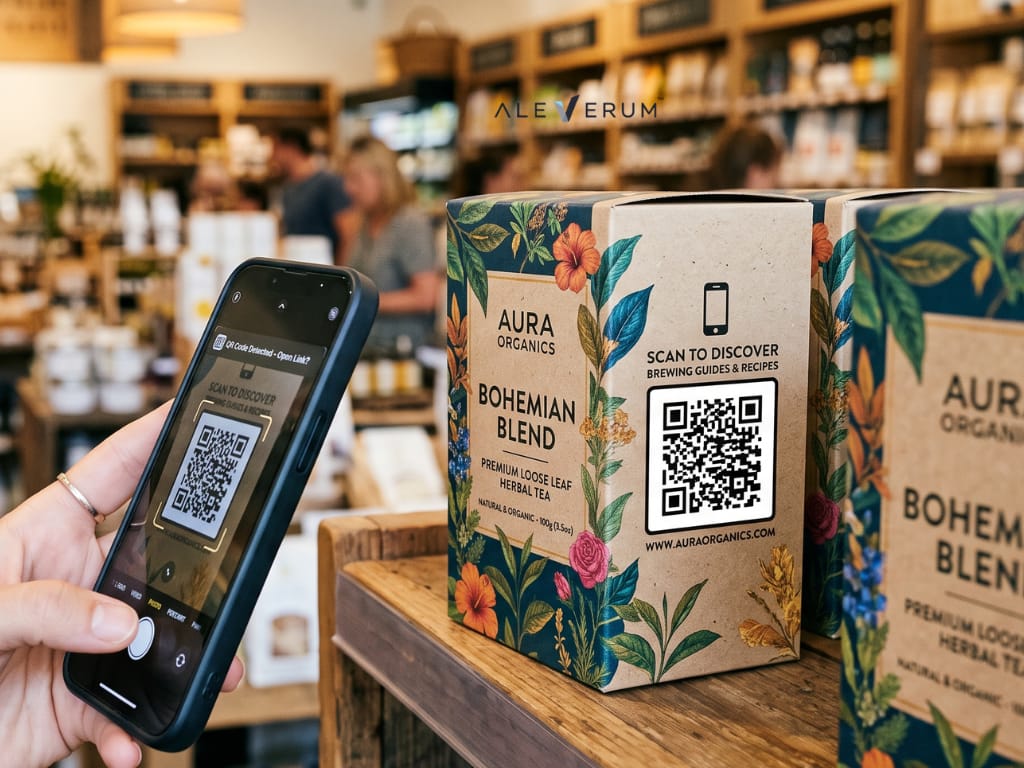
A digital product passport starts with good product data. Before choosing software or creating a QR code, businesses need to understand what information they already have, where it comes from,

The EU sustainability landscape is changing. The Omnibus I simplification package has narrowed and simplified parts of corporate sustainability reporting, including requirements connected with the Corporate Sustainability Reporting Directive (CSRD).

Digital Product Passports are becoming part of the EU’s wider move towards a circular economy. For mineral producers, processors and downstream manufacturers, the important question is no longer whether product

Supply chain traceability is the ability to follow the history, processing and movement of a product, material, component or batch. A useful traceability system should help an organisation answer practical

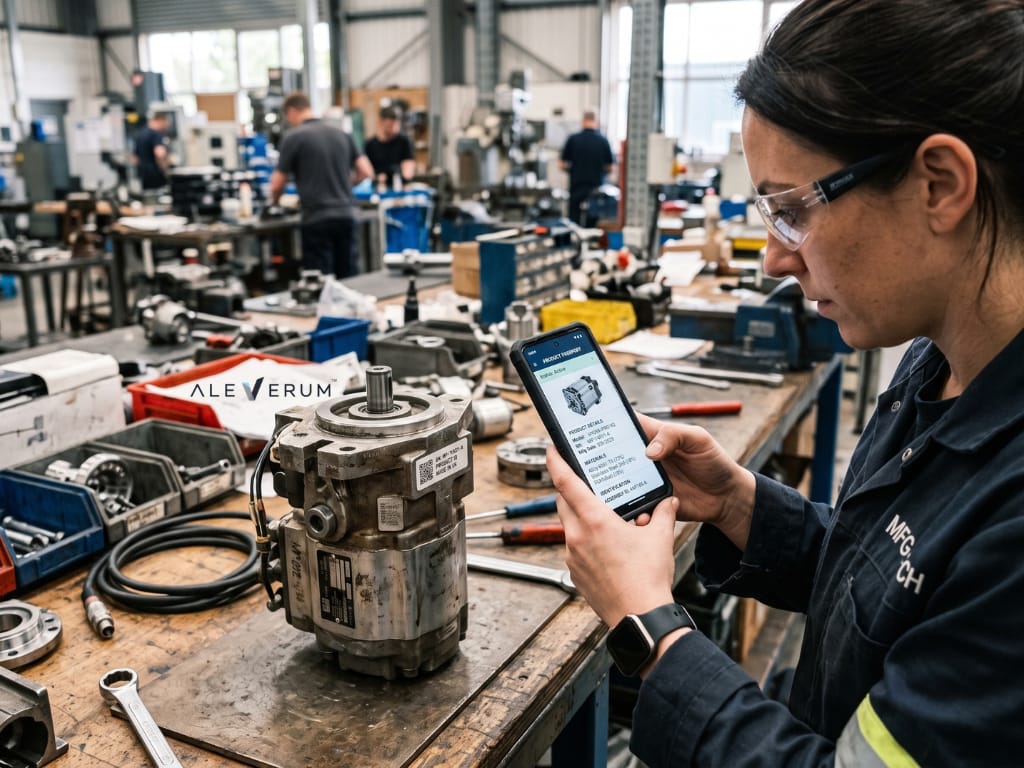
A digital product passport gives authorised users access to structured information about a product. That information may cover identity, materials and manufacturing. It may also include compliance, repair and recycling

Australia’s circular economy depends on keeping products, components and materials in use for as long as practical. This means moving beyond the traditional pattern of making, using and discarding products.