
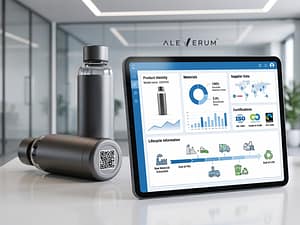






A digital product passport is becoming increasingly relevant for Australian battery manufacturers, material suppliers, energy-storage businesses and critical-mineral companies connected to European markets.
The EU battery passport will apply to covered electric vehicle batteries, light means of transport batteries and industrial batteries above 2 kWh from early next year. For Australian businesses, this does not mean every company in the battery supply chain must create the final passport. However, manufacturers and EU economic operators may depend on upstream suppliers for reliable product, material and evidence information.
Australia also has a strong reason to prepare. The National Battery Strategy identifies global supply chains, sustainability, standards and the circular economy as priorities for developing the local battery industry.
The practical question is therefore: what information should Australian businesses prepare, and how should they manage it?
Why a Digital Product Passport Matters to Australian Battery Businesses
What a digital product passport means for Australian suppliers
A digital product passport is an electronic record connected to a physical battery.
For covered batteries, it will contain both model-level information and information relating to the individual battery. Access can also differ depending on the user. Some information may be public, while other information may be available only to authorised parties.
For an Australian business, the first step is to understand its role.
A battery manufacturer exporting directly to Europe may have different responsibilities from a lithium processor supplying material to an overseas cell manufacturer.
Likewise, an Australian energy-storage company sourcing finished batteries may need different information from a mineral producer supplying nickel or cobalt.
The eu digital product passport framework should therefore be assessed around the actual product and commercial relationship.
Why a digital product passport matters beyond regulation
The digital product passport is also relevant to how battery information moves through the value chain.
A battery may pass through mineral suppliers, processors, component manufacturers, battery manufacturers, distributors, users, repairers and recyclers.
Each stage may create or depend on different information.
A structured product record can help preserve those relationships.
This supports broader Australian priorities around battery traceability, sustainability and participation in global supply chains. Australia’s National Battery Strategy specifically identifies sustainability, standards and circular economy development as strategic areas.
The value is therefore not limited to regulatory reporting. Better product information can also make supplier records easier to review and maintain.
Which Batteries and Businesses Are Affected
Which batteries require a digital product passport
Under the EU Batteries Regulation, the digital product passport requirement applies to:
- Electric vehicle batteries
- Light means of transport batteries
- Industrial batteries with a capacity greater than 2 kWh
The requirement begins early next year.
The passport must contain information relevant to the battery model as well as information specific to the individual battery.
This is an important distinction.
A general product specification may describe every battery in a model range. Other information may need to follow a specific battery throughout its lifecycle.
Businesses should therefore understand whether their existing systems can distinguish between model, batch and individual-item information.
The broader digital product passport regulation framework does not mean every product requires identical information. Requirements depend on the applicable legislation and product category.
Who is responsible for the digital product passport
Not every supplier in the battery chain is responsible for creating the final digital product passport.
The legal responsibility sits around the relevant economic operator and battery being placed on the EU market.
However, upstream suppliers can still play an important role.
For example, an Australian battery-material supplier may be asked to provide:
- Material specifications
- Supplier information
- Facility information
- Supporting declarations
- Composition data
- Environmental information
- Evidence relating to relevant sourcing or material claims
That information may later contribute to a product digital passport maintained further downstream.
Australian companies should therefore ask customers what information they need, what format they expect and how updates will be handled.
Do not assume that every customer will request exactly the same dataset.
What Information Should Be Prepared for a Battery Passport?
What product data belongs in a digital product passport
A useful digital product passport starts with product identity.
Businesses should be able to distinguish the battery, its model and relevant manufacturing information.
Depending on the applicable requirements, records can include areas such as:
- Battery and model identification
- Manufacturer information
- Manufacturing location
- Battery category
- Technical characteristics
- Performance information
- Durability information
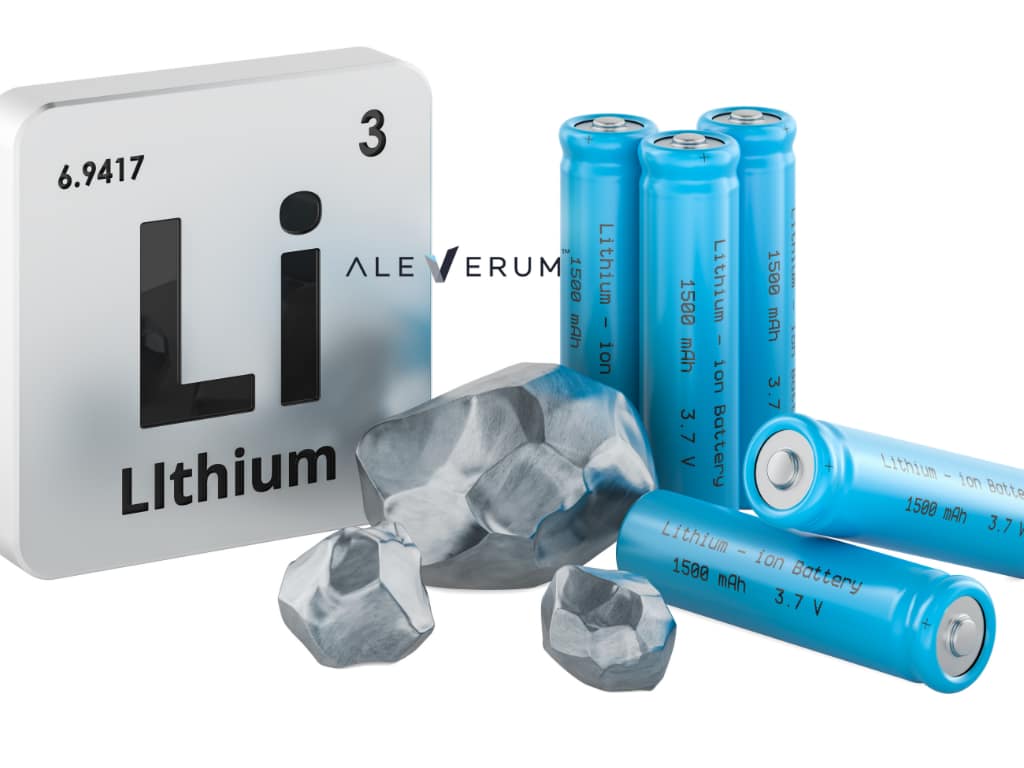
- Material information
- Lifecycle information
- Relevant carbon or environmental information
The European Commission’s updated 2026 battery guidance provides a structured overview of the data points associated with EV, LMT and relevant industrial batteries. It also identifies whether particular points are mandatory, conditional, optional or not required for a category.
Businesses should use the latest applicable guidance rather than copying a generic DPP template.
What evidence supports a digital product passport
Product fields alone are not enough.
The information should also be connected to appropriate supporting evidence where evidence is relevant.
That can include:
- Certificates
- Test reports
- Supplier declarations
- Technical documents
- Material records
- Measurements
- Environmental calculations
- Chain-of-custody documents
A common problem is storing these documents separately from the product information they support.
For example, a certificate may sit in a shared folder without a clear connection to a specific battery model, material or supplier.
A stronger digital product passport workflow keeps those relationships visible.
Useful evidence records should identify what the document applies to, who issued it, when it was issued and whether it remains current.
This makes review easier and reduces the risk of applying outdated evidence to the wrong product.
Preparing Australian Battery and Critical-Mineral Supply Chains
How mineral data supports a digital product passport
Australia has significant resources used in battery value chains, including lithium, nickel, copper and cobalt. The Australian Government identifies these mineral resources as an advantage in building Australia’s position in global battery supply chains.
For critical-mineral and battery-material businesses, digital product passport preparation can begin upstream.
A material record might connect:
- Material identity
- Supplier
- Processing facility
- Country or source information
- Production batch
- Shipment
- Supporting evidence
- Downstream battery or component relationship
The exact information required depends on the material, customer and applicable regulation.
The aim is not to collect every possible data field.
It is to make important information traceable.
If a customer asks which material entered a particular production run, the business should be able to connect the answer with the relevant batch and evidence.
How traceability strengthens a digital product passport
A digital product passport becomes more difficult to manage when product information is fragmented.
One team may hold supplier declarations. Another may manage technical specifications. Environmental information may sit in a spreadsheet. Certificates may be stored as PDFs.
This can work while product volumes are small.
It becomes harder when multiple suppliers, facilities, materials and battery models are involved.
A useful traceability structure connects each record at the appropriate level.
For example:
Supplier → Facility → Material → Batch → Component → Battery Model → Individual Battery
Not every business will use that exact structure.
What matters is preserving the relationships that genuinely exist.
Australian businesses should also test what happens when information changes.
If a supplier declaration expires or a material source changes, can the organisation identify which battery records may be affected?
That is an important part of maintaining reliable digital product passport information over time.
Connecting Battery Passports With the Circular Economy
How a digital product passport supports the circular economy
The digital product passport is designed to make relevant battery information available beyond the point of sale.
The EU describes the battery passport as supporting transparency and sustainability across the battery lifecycle, including information useful to economic operators, consumers, repairers and recyclers.
This connects naturally with circular economy objectives.
A battery may eventually be:
- Maintained
- Repaired
- Repurposed
- Used in a second-life application
- Dismantled
- Recycled
Different organisations may need different information during those stages.
A repairer may need technical and safety information.
A recycler may need material and composition information.
A second-life operator may need information relevant to battery condition and use.
The digital product passport can provide a structured way to manage appropriate information for those different users.
How a digital product passport supports end-of-life decisions
A product passport circular economy approach should consider the full lifecycle rather than treating the passport as a page created once and forgotten.
Product information may need to remain understandable years after the battery is first placed on the market.
That makes identifiers, version history and data maintenance important.
A recycler receiving a battery later in its lifecycle should not have to rely on a record that has not been updated since manufacture.
Businesses should therefore ask:
Who updates lifecycle information?
How are changes recorded?
What information remains public?
What information is restricted?
How long should records remain available?
These questions are as important as the design of the customer-facing passport page.
For Australian battery businesses, this also aligns with national interest in battery recycling and resource recovery. Australia’s National Battery Strategy identifies circularity and battery recycling as areas of opportunity.
Choosing the Right Digital Product Passport Platform
What to compare in a digital product passport platform
Businesses should understand their information requirements before choosing technology.
Do not select a digital product passport platform only because it can generate a QR code.
Compare how the platform handles:
- Battery models and individual records
- Materials and components
- Suppliers and facilities
- Certificates and evidence
- Product identifiers
- Access permissions
- Review and approval workflows
- Version history
- Environmental information
- Lifecycle records
- Structured outputs
- Existing-system integrations
Also ask how the platform deals with change.
What happens when evidence expires?
Can an updated supplier record be reviewed before publication?
Can earlier versions still be traced?
Can information be separated into public and restricted views?
These questions make it easier to compare passport software solutions based on actual operating needs.
How to test digital product passport software before buying
A useful test starts with one real battery rather than a generic demonstration.
Provide the platform supplier with a representative battery model, material structure, several suppliers and examples of supporting evidence.
Then test the workflow.
Create the records.
Connect the evidence.
Apply permissions.
Approve information.
Prepare a passport output.
Then deliberately change something.
Replace a supplier declaration or update a material record.
Check whether the system records the change and requires the correct review.
Aleverum™ is one option for organisations that need to structure product, material, supplier, facility and evidence information within governed Digital Product Passport workflows. Its public platform information describes support for evidence relationships, review status, approval workflows, permissions, version history and controlled DPP outputs.
It also maintains a clear boundary between platform functionality and formal assurance. Aleverum™ states that customers remain responsible for the accuracy and evidentiary basis of information they approve or publish, and that the platform does not independently certify products or provide regulatory approval.
That is a useful distinction to look for when comparing any provider.
Preparing for Digital Product Passport Requirements Now

How to start a digital product passport readiness review
A digital product passport readiness project does not need to begin with the entire product portfolio.
Start with one representative battery.
Map:
- Battery model
- Relevant individual identifier
- Materials
- Components
- Suppliers
- Facilities
- Supporting evidence
- Environmental information
- Existing software systems
- Responsible teams
Then look for gaps.
Are supplier records complete?
Can evidence be connected to the correct product?
Are identifiers consistent between systems?
Are important documents current?
Is there a clear owner for each information type?
The EU has already made its DPP Registry operational, and the Commission is publishing implementation guidance ahead of the battery-passport requirement beginning early next year.
Preparation is therefore an operational issue, not simply a future policy discussion.
What to prioritise before digital product passport implementation
Technology should not be the first problem to solve.
Start with the information.
Prioritise:
- Clear product and battery identities
- Reliable supplier and facility records
- Material and component relationships
- Evidence linked to the correct records
- Defined access permissions
- Review and approval responsibilities
- Processes for updating information
- Connections with existing systems
Once these foundations are clear, it becomes much easier to evaluate a digital product passport platform.
For Australian battery and critical-mineral businesses, the goal should be practical.
Understand what customers and regulations require.
Know where the information comes from.
Keep evidence connected to the relevant product.
Make responsibility for updates clear.
Then choose technology that supports the operating model rather than forcing the business into an unsuitable one.
A reliable digital product passport is not simply a QR code. It is the product information, evidence and governance behind it.
