



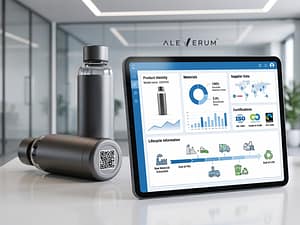

Digital Product Passports are becoming part of the EU’s wider move towards a circular economy. For mineral producers, processors and downstream manufacturers, the important question is no longer whether product data will matter. It is which products are affected, what information will be required and when businesses need to prepare.
As of August 2026, there is no single Digital Product Passport requirement covering all minerals. The EU is introducing requirements product by product. Batteries are leading implementation, while iron and steel, aluminium and products containing permanent magnets are moving through separate regulatory pathways.
For Australian mineral businesses supplying European value chains, this means preparation should focus on accurate material information, traceability, supporting evidence and sustainability data rather than waiting for one universal “minerals DPP”.
Where Minerals Currently Stand in the EU Digital Product Passport
Minerals do not have one universal DPP requirement
The current EU approach is product-specific.
A raw mineral does not automatically need a Digital Product Passport simply because it enters the European market. Instead, mineral information becomes relevant when it forms part of a product covered by the Ecodesign for Sustainable Products Regulation or another EU law.
The first ESPR Working Plan places iron and steel on the 2026 pathway. Aluminium is on the indicative 2027 pathway. These dates relate to the development of product-specific rules, and the Commission makes clear that final requirements depend on delegated acts and subsequent transition periods.
This distinction matters. Mining and material companies should not assume that every mineral needs the same passport, data fields or implementation date.
What changed during 2026
The DPP framework has moved from planning towards operational infrastructure.
The EU Digital Product Passport Registry became operational in July 2026. The Registry allows economic operators to enrol organisations and register relevant Digital Product Passports. Six harmonised DPP standards covering areas such as identifiers, data carriers, interoperability, APIs and data exchange have also been published.
Battery implementation has also progressed. In August 2026, the European Commission published updated guidance bringing together 71 battery-passport data points and explaining how they apply across relevant battery categories.
For mineral suppliers, these developments make data readiness more practical and immediate.
Why Minerals Matter to the EU’s circular economy
Keeping valuable materials in circulation
Minerals sit at the beginning of many product lifecycles, but their value does not necessarily end when the first product reaches end of life.
A circular economy aims to keep products and materials in productive use for longer. Better information can help recyclers, manufacturers and other authorised users understand what materials a product contains and how those materials may be recovered.
For mineral-intensive products, that can include information about composition, critical raw materials, recycled content and end-of-life handling.
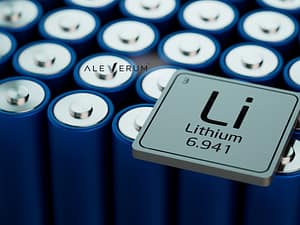
Battery passports are a clear example. The Batteries Regulation requires passport information covering material composition, including critical raw materials, as well as recycled-content and carbon-footprint information where applicable.
The value of the DPP is therefore not simply transparency at the point of sale. It can support information across a longer product lifecycle.
Connecting mineral traceability with sustainability
environmental sustainability depends on more than making broad environmental claims.
A downstream manufacturer may need to understand what material entered a product, where it came from, which supplier provided it and what evidence supports the information.
For example, recycled cobalt information is more useful when it can be connected to the relevant material, supplier, reporting period and supporting record.
The same principle applies to sourcing and environmental information.
Good traceability gives sustainability information context. Without that connection, a certificate or environmental figure can become separated from the material it was originally meant to describe.
For Australian producers, this creates a practical reason to improve mineral and batch records even where they are not responsible for creating the final DPP.
Batteries Are Leading Mineral-Related DPP Implementation
What the latest battery guidance means
Batteries currently provide the clearest example of mineral information entering a Digital Product Passport.
Early next year, covered electric vehicle batteries, light means of transport batteries and industrial batteries above the applicable capacity threshold will need battery passports.
The latest Commission guidance organises 71 possible data points and explains whether each is mandatory, optional, conditional or not required for a particular battery category. The Commission also stresses that the guidance supports implementation but does not add new legal requirements.
For upstream businesses, an important point is responsibility.
The supplier of a mineral or component does not necessarily create the finished battery passport. The economic operator placing the relevant finished battery on the EU market carries that responsibility. However, it may need information from upstream suppliers to complete the record.
Preparing mineral information before customers request it
Mineral suppliers can start by reviewing the information they already hold.
A battery-material processor, for example, may need to locate material identity, composition records, production batches, supplier information, facility records and supporting declarations.
Where recycled content or environmental information is supplied, the organisation should also preserve the methodology and evidence behind the value.
This makes customer requests easier to answer.
Instead of sending disconnected spreadsheets and PDFs each time, the business can maintain structured records showing which evidence relates to which material or batch.
That does not make the supplier automatically responsible for the final passport. It simply makes its information more usable within downstream DPP and sustainability workflows.
Carbon and Environmental Information in Mineral DPP Workflows
Understanding carbon footprint and emissions information
A carbon footprint should not be treated as a standalone number with no context.
For battery passports, EU legislation specifically includes carbon-footprint information among the publicly accessible model-level information where the relevant requirements apply.
Businesses providing environmental data should therefore retain information about how a figure was produced.
That can include the methodology, unit, calculation boundary, reporting period and source information.
The same principle applies when discussing carbon emissions or greenhouse emissions, more precisely greenhouse gas emissions. Two figures may look similar but represent different activities, boundaries or periods.
Structured product information helps preserve that context.
Avoiding unsupported environmental claims
A Digital Product Passport can communicate environmental information. It does not automatically verify that information.
This is particularly important for broad claims such as carbon neutral.
A company should not assume that placing a claim inside a DPP makes the claim independently verified or compliant. The supporting evidence, calculation method and applicable rules still matter.
The same caution applies to terms such as sustainability.
Businesses should describe what has actually been measured or documented instead of relying on vague environmental language.
A DPP can also support information relevant to material recovery and circularity, but it should not be confused with a model of the wider carbon cycle. The practical focus should remain on documented product, material and lifecycle information that can be supported by evidence.
Critical Raw Materials, Permanent Magnets and Recycled Content
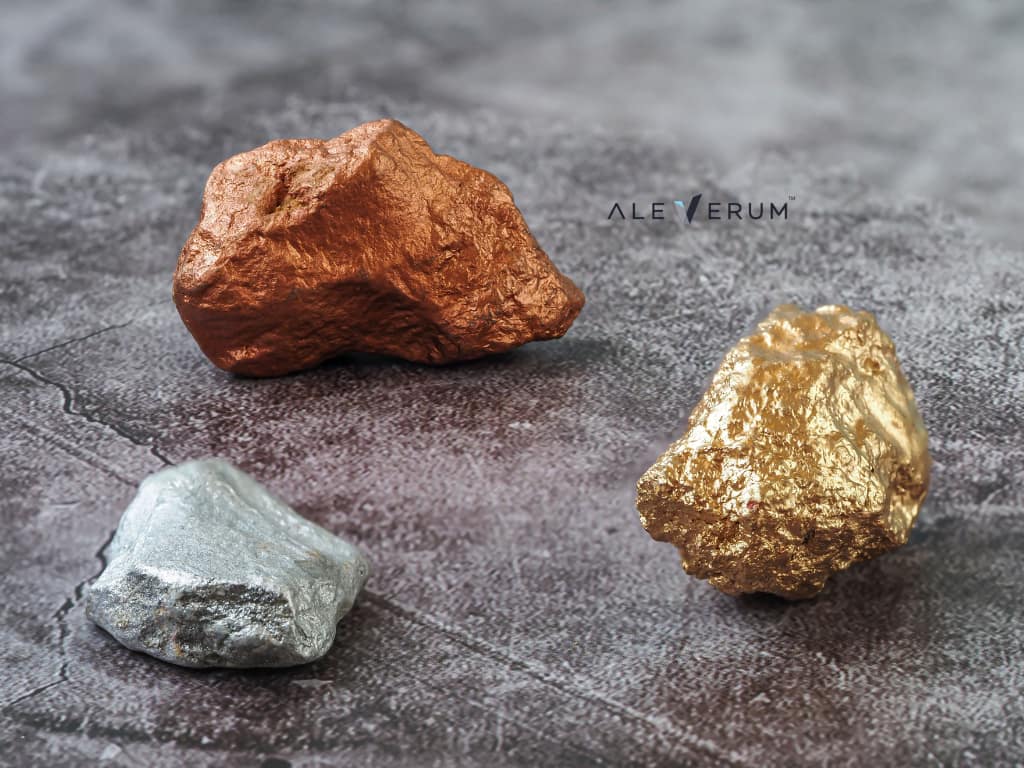
Permanent magnets create another mineral-data pathway
The EU Critical Raw Materials Act creates a separate but related pathway for digital mineral information.
For covered products containing permanent magnets, the Regulation provides for a future data carrier linked to a unique product identifier. The accessible information can include the weight, location and chemical composition of individual permanent magnets, as well as information needed for their safe removal.
This is especially relevant to materials such as neodymium, dysprosium and other elements used in permanent magnets.
Importantly, the Regulation also says that when a product is already required to have a product passport under another EU law, relevant permanent-magnet information should be included in that passport.
This shows how mineral information can increasingly flow into broader product-data systems.
Why recycled mineral content matters
The Critical Raw Materials Act also addresses recycled content in permanent magnets.
It covers information about post-consumer recovered materials including neodymium, dysprosium, praseodymium, terbium, boron, samarium, nickel and cobalt. The exact application timetable depends partly on supporting delegated rules.
This has a clear circular economy purpose.
If businesses can identify recovered material and connect it to reliable evidence, downstream organisations have a stronger basis for understanding recycled content.
However, the information needs context.
A recycled-content percentage should identify what material it refers to, how it was calculated and what period or product scope it covers.
That is more useful than simply adding a sustainability label to a product record.
Choosing the Right DPP Approach for Mineral Data
What businesses should compare before choosing a platform
A mineral business should start with its data problem before choosing technology.
A useful DPP service should be able to explain how it handles:
- Materials, products, batches, suppliers and facilities
- Supporting certificates and declarations
- Composition and recycled-content information
- Sustainability and carbon data
- Review and approval status
- Public and restricted information
- Version history and data changes
- Product identifiers and machine-readable records
- Existing business-system integrations
Ask the provider to demonstrate these functions using a realistic material pathway.
For example, provide one mineral batch, its supplier record, supporting evidence and a downstream product relationship. Then ask how the system handles a changed document or corrected data point.
That tells you more than a polished sample passport.
When governed information infrastructure makes more sense
A simple passport publisher may be enough when a business has a small number of products, reliable source information and straightforward publishing requirements.
More complex mineral supply chains may need stronger governance.
Aleverum is designed to structure product, material, supplier, facility and evidence information within governed Digital Product Passport workflows. Its public platform information includes review status, approval workflows, access controls, version history and controlled publishing.
The platform also makes an important assurance distinction. Structured or machine-readable information is not automatically compliant, interoperable or independently verified. Organisations remain responsible for confirming the requirements applying to their products and markets.
That is a useful standard when comparing any DPP provider.
When to Start Preparing Mineral Data for DPP Requirements
Signs your organisation should review its readiness
A business does not need to wait for every future mineral-related DPP rule before improving its information.
Preparation becomes useful when customers request more structured product information, material claims cannot be linked to evidence, supplier documents are difficult to manage, or different systems contain conflicting product and batch identifiers.
Another warning sign is environmental information without enough context.
If a carbon footprint, recycled-content figure or sourcing statement cannot be linked back to its source, methodology or applicable product, it may be difficult for downstream customers to reuse confidently.
Australian businesses supplying European manufacturers should also clarify what the customer actually expects.
The final DPP obligation may sit with the EU economic operator, but upstream suppliers can still be asked to provide information needed for that passport.
Start with one realistic mineral-data pathway
A practical readiness assessment does not need to begin with an entire supply chain.
Choose one representative material.
Map the supplier, facility, material identity, batch, shipment, supporting documents and downstream product relationship. Then identify who owns each record and who reviews it.
Look for missing evidence, expired records and information duplicated across systems.
This is also the stage where Aleverum may be useful. Its platform can support structured product and supplier records, evidence relationships, review workflows and controlled DPP publishing. Its Trust Centre also states that technology should support independent assurance while keeping formal verification and certification decisions separate from platform functionality.
The goal is not to promise automatic compliance.
It is to create mineral information that can be traced, reviewed, updated and shared with the appropriate organisations.
The current direction of EU policy is clear: Digital Product Passports are being introduced progressively, with batteries leading and mineral-intensive sectors such as iron, steel and aluminium following product-specific pathways. Businesses that organise their data now will be in a better position to respond as those requirements become final.
