
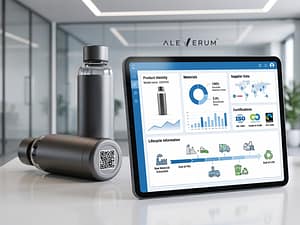






A digital product passport gives authorised users access to structured information about a product.
That information may cover identity, materials and manufacturing. It may also include compliance, repair and recycling records.
However, the passport is more than a QR code.
The QR code or another data carrier only provides access. The product information sits in a connected digital system.
For Australian businesses, this topic may matter when products enter the European Union. EU rules can apply to products placed on its market, even when they were made outside Europe.
Businesses should not assume that every product needs the same information.
Product-specific delegated acts and other EU laws will define the exact data. They will also set access rights and implementation dates.
The following guide explains the main information areas businesses should prepare.
A product passport should make useful information easier to access.
It may support customers, suppliers, repairers and recyclers. Regulators and customs authorities may also need selected information.
The passport should give each user access to the information relevant to their role.
Separate the Data Carrier From the Product Information
A QR code does not contain the full passport.
Instead, it links the physical product with a digital record.
The EU framework requires the passport to connect a data carrier with a persistent unique product identifier. The carrier may appear on the product, its packaging or related documents. The applicable product rule will confirm the location.
This distinction matters during planning.
A business must manage the information behind the code. It must also keep the link working for the required period.
The passport may need to remain available throughout the expected product life.
Therefore, businesses should plan for hosting, maintenance and long-term access.
Understand How Product-Specific Rules Affect the Content
The EU framework does not create one standard data list for every product.
Each delegated act can define the required fields. It can also decide whether the passport applies at model, batch or item level.
Access rights may differ as well.
A customer may see repair and material information. An authority may receive access to compliance records.
The first priority groups under the ESPR working plan include textiles, furniture, tyres and mattresses. Iron, steel and aluminium also sit among the priority groups.
Businesses should monitor the rules that apply to their own products.
A general platform checklist does not prove regulatory compliance.
Record Clear Product Identity Information
Every passport needs a reliable way to identify the product.
Without a stable identity, users may open the wrong record. Businesses may also struggle to connect supplier and compliance information.
Identity should therefore form the foundation of the passport.
Create Reliable Model, Batch and Item Identifiers
Start with the product name and model number.
Add internal product codes and recognised classifications where relevant.
The business should then decide how it records batches and individual items.
A model-level passport may suit products that share the same design and technical features.
A batch-level passport adds production context. It may connect several units with one date, facility or material supply.
An item-level passport identifies one physical unit.
The applicable regulation will determine which level the product needs. Businesses should not create item-level complexity without a legal or operational reason.
Link Operators and Facilities With the Product
A passport may need information about the organisations behind the product.
This could include the manufacturer, importer or authorised representative. Relevant suppliers may also need identification.
Facility information can add production context.
For example, the record may connect a product batch with a factory or processing site.
The ESPR framework refers to unique product, operator and facility identifiers. It also supports traceability across the value chain.
Use consistent identifiers across systems.
Different departments should not create separate names for the same supplier or factory.
Organise Materials and Manufacturing Evidence

Material records help explain what a product contains.
They may also support repair, recycling and compliance activities.
However, a claim only becomes useful when reliable evidence supports it.
Capture Material and Component Information
Begin with the bill of materials.
Record major components, material types and relevant quantities. Keep units consistent across product records.
Some product rules may require information about recycled content or substances of concern.
Exact requirements will depend on the product category.
Supplier documents may support these claims.
For example, a recycled-content claim may need a certificate or verified source record. Material declarations may also require supporting evidence.
Do not place every supplier document in the public view.
Some information may need restricted access due to commercial or regulatory reasons.
Connect Production Records With Batches and Facilities
Production records add context to product data.
Useful fields may include the production date, facility and batch code.
Some businesses may also track the source batch for materials or components.
Global batch traceability can help connect products with suppliers and production runs.
This may support recalls, quality checks and investigations. It can also help a company identify which units a specific issue affects.
Batch records need clear ownership.
One team should know who creates, approves and updates the information.
Poorly managed batch data can weaken the full passport.
Include Compliance and Circular Economy Information
A passport may support both legal compliance and circular use.
These goals often require different types of information.
The business should organise records so that each user sees what they need.
Organise Certificates and Regulatory Evidence
Compliance records may include declarations and test reports.
They may also include certificates, product standards and safety information.
The passport should link each document with the correct product version.
An old certificate should not remain attached to a newer design.
Review expiry dates and revision numbers.
Also check whether a document applies to a model, batch or individual item.
Authorities may need more information than customers.
The system should therefore support controlled access rather than publishing every record openly.
Businesses should obtain legal or regulatory advice when they cannot confirm which documents apply.
Support Repair, Reuse and End-of-Life Decisions
A product passport circular economy approach should help keep products and materials in use.
Useful information may include care instructions and expected maintenance needs.
Repairers may need parts information or safe disassembly guidance.
Refurbishers may need product condition or component details.
Recyclers may benefit from material composition and separation instructions.
Australia’s Circular Economy Framework focuses on longer product use, repair, reuse and resource recovery. It sets a national ambition to double circularity by 2035.
The passport can support those outcomes when the information remains practical and current.
Prepare Trusted and Interoperable Data

The value of a passport depends on data quality.
A polished interface cannot fix missing or unreliable information.
The underlying records must work for both people and digital systems.
Structure Information for People and Digital Systems
A PDF can help a person read a document.
However, digital systems may also need to search, compare and transfer passport data.
The ESPR requires open standards and interoperable formats. Where appropriate, data should also be structured, searchable, machine-readable and transferable without vendor lock-in.
Define clear fields for each type of information.
For example, keep material type separate from material weight. Do not combine several facts inside one free-text field.
Use standard units and naming rules.
This makes information easier to exchange with suppliers and other systems.
The passport should also connect with existing product records where practical.
Protect Accuracy, Integrity and Access Rights
Trusted digital information needs clear control.
The business should decide who can create, review and update each record.
Important changes should leave a history.
This helps users understand when information changed and who approved it.
Access should reflect the user’s role.
A supplier may only manage its own evidence. A customer may only see public information.
The ESPR requires authentication, data reliability, integrity, security and privacy. It also restricts update rights according to defined access rules.
Customer personal data should not enter the passport without a valid basis. Under the ESPR, customer data must not be stored without explicit consent.
Know When to Contact a DPP Provider
Some businesses can begin with an internal data review.
Others may need help because product records cross many suppliers and systems.
Early advice may reduce rework later.
Seek Help When Records Cross Suppliers and Systems
Contact a provider when product information sits in several locations.
Engineering may use one platform. Compliance may store documents elsewhere.
Supplier evidence may remain in emails or spreadsheets.
A provider can help map those sources and define a common data structure.
External support may also help when products enter the EU market.
The project may need product, legal, technical and supply chain input.
Businesses should seek specialist advice when they cannot identify the applicable product rule.
A software provider should not replace qualified legal advice unless it offers that service.
Prepare Useful Information Before Requesting Advice
Start with the product groups.
Explain which products may enter Europe and which organisation places them on the market.
List the systems that hold product information.
These may include product lifecycle, enterprise, supplier and document platforms.
Describe current identifiers.
Include model numbers, batch codes and facility references.
Also explain the main project goal.
The business may want compliance readiness, supply chain traceability or better access to product records.
A provider trading under the name Digital Product Passport may offer platform or advisory services.
Confirm the legal company name, service scope and data-handling process before sharing private information.
Choose the Right Solution and Start a Pilot

The right solution should match the product and supply chain.
It should also adapt as product-specific requirements develop.
Do not select a platform based only on its QR code design.
Compare Platforms by Capability and Long-Term Fit
Check who owns the data.
The business should be able to retrieve and transfer its records.
Review integration options.
A platform may need to connect with product, supplier or compliance systems.
Security and access controls also matter.
Ask how the provider handles user roles, audit history and backups.
Review support for identifiers and open standards.
The solution should reduce vendor lock-in and support interoperable data exchange.
The EU DPP Registry became operational on 20 July 2026. It stores unique identifiers, registration information and high-level metadata rather than the full decentralised passport data.
Confirm how a proposed platform will connect with the registry when a product-specific obligation applies.
Test One Product Family Before Wider Rollout
Begin with a controlled pilot.
Choose one product family with useful records and engaged suppliers.
Map the product identity and required fields.
Then connect supplier, material and production information.
Create a test data carrier.
Check whether customers, staff and other users can access the correct information.
Record every data gap found during the pilot.
Assign an owner and review date to each issue.
The pilot should also test update controls and data portability.
A strong digital product passport project starts with reliable information. It then adds technology that makes the data useful and accessible.
Businesses can contact a suitable DPP provider to discuss product groups, data sources and EU market plans.
