


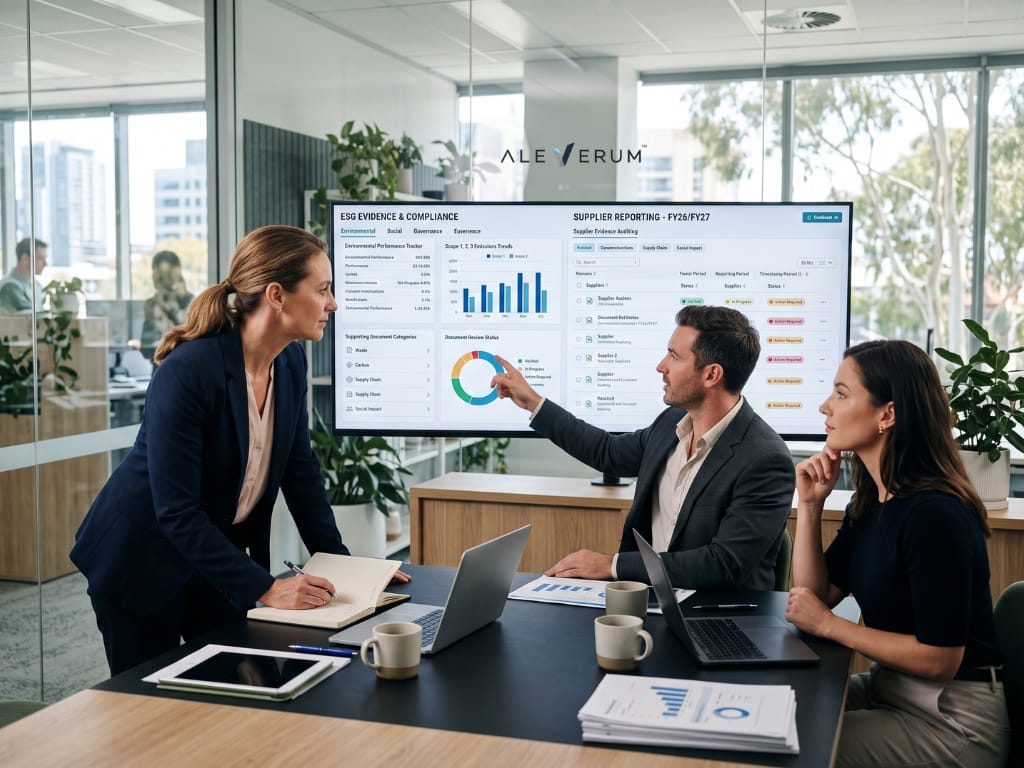
Sustainability reporting software can give Australian businesses a more reliable way to manage the environmental and climate information they receive from suppliers.
That matters because sustainability reporting is no longer based only on information generated inside an organisation. Emissions data, material information, environmental documents, manufacturing locations and other important records may come from suppliers and other businesses across the value chain.
Collecting that information is only one part of the challenge. Businesses also need to understand who provided it, which reporting period it applies to, what evidence supports it and whether the information has changed since it was first received.
For Australian organisations, a better supplier data process can support climate reporting, corporate carbon footprint work, customer requests and wider ESG compliance activities. It can also make it easier to respond when larger customers or overseas partners request information about products, facilities or environmental performance.
Why Better Supplier Data Matters
sustainability reporting software becomes particularly useful when important sustainability information sits outside the organisation.
A business may know how much electricity it uses internally, for example, but have limited visibility over the emissions, materials or production activities associated with products and services purchased from suppliers.
This means the quality of sustainability reporting can depend heavily on how well supplier information is collected and maintained.
Connecting supplier information with reporting needs
Sustainability reporting software can help link supplier information with the products, services, facilities or reporting activities that rely on it.
Instead of maintaining one supplier questionnaire, another emissions spreadsheet and a separate folder of supporting documents, businesses can keep those records connected.
This is particularly relevant where supplier information contributes to Scope 3 emissions or other value chain reporting.
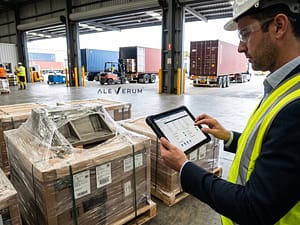
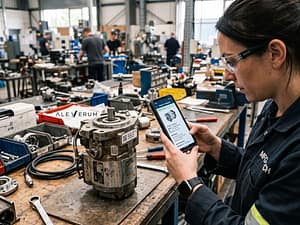
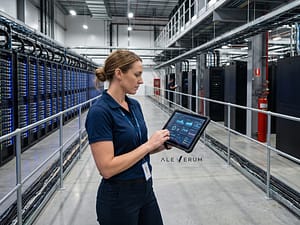
A manufacturer may need information about materials and production. A data centre business may require equipment, construction product or supplier environmental information. Another organisation may focus on transport, purchased services or operational inputs.
The information request should therefore reflect what the business genuinely needs to report.
Reducing the burden of supplier requests
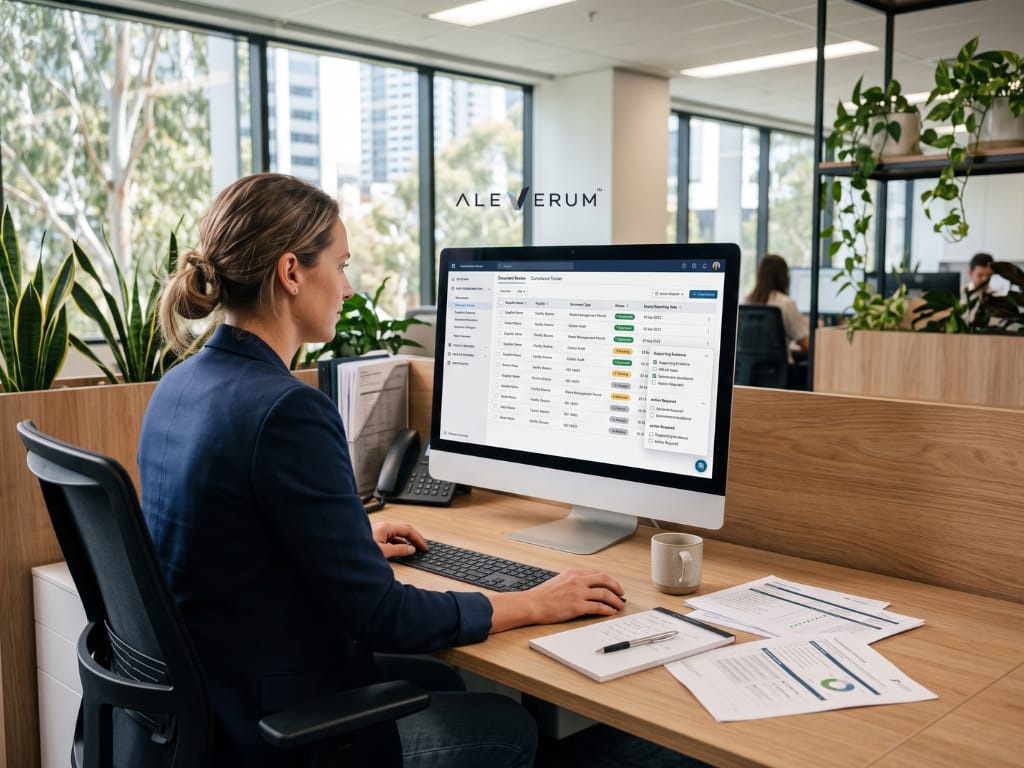
Supplier data collection can become difficult when it depends mainly on email.
Some suppliers may respond quickly, while others provide incomplete information or send documents without clearly stating the period, facility or product they apply to.
A structured system can help teams record what has been requested, what has been received and which items still require clarification.
It can also prevent suppliers from being asked to provide the same information repeatedly when a valid record is already available.
The aim is not to create more administration. It is to make the collection process more consistent for both the reporting organisation and its suppliers.
Making Environmental Data Easier to Use
Not every supplier will have the same level of environmental reporting maturity.
Larger organisations may already have detailed emissions inventories, sustainability reports and supporting documentation. Smaller suppliers may have limited systems and may need clearer guidance about exactly what information is required.
Good sustainability reporting processes need to accommodate both.
Structuring supplier environmental information
Sustainability reporting software can organise supplier information into consistent fields rather than relying entirely on unstructured documents.
Depending on the reporting purpose, this could include greenhouse gas emissions, energy or fuel data, production location, material composition, environmental certificates, waste information or other environmental sustainability records.
The surrounding context is just as important as the number itself.
An emissions figure is more useful when the business knows which reporting period it covers, which facilities were included, what measurement unit was used and what methodology produced the result.
The same principle applies at product level. Information about one product should not automatically be treated as representative of the supplier’s entire operation.
Good sustainability reporting software should help businesses keep these distinctions clear.
Making incomplete information visible
Supplier information will not always arrive complete.
A response may contain an estimate, an outdated document or data covering the wrong reporting period. Some fields may be unanswered entirely.
Rather than hiding those gaps, sustainability reporting software should help teams identify them.
Status controls can distinguish between information that has been requested, received, reviewed, rejected, superseded or still requires clarification.
This allows sustainability and procurement teams to concentrate follow-up activity where it is genuinely needed.
It also helps avoid a misleading impression that every record is equally reliable. Storing information in software does not automatically mean the underlying supplier claim has been independently verified.
Keeping Evidence Connected to the Data
Supplier evidence can be linked with reporting periods, facilities and environmental information for easier review.
One of the biggest weaknesses in manual sustainability reporting is losing the connection between a reported value and the information behind it.
A figure may appear simple in a final report, but its history can include supplier responses, methodologies, supporting documents, calculations and internal reviews.
Sustainability reporting software can help preserve that chain.
Maintaining clear information sources
Businesses should be able to identify where supplier information originated and what it applies to.
Useful context may include the supplier, reporting period, date received, relevant facility, responsible contact and associated product, service or activity.
This becomes especially important when information changes.
If a supplier submits a revised figure, simply overwriting the previous record may make it difficult to understand what was used in an earlier reporting period.
Keeping the history allows teams to distinguish between the information used previously and the current version.
It can also make internal review more efficient because teams do not need to search through old email threads simply to identify the source of a figure.
Linking evidence with the information it supports
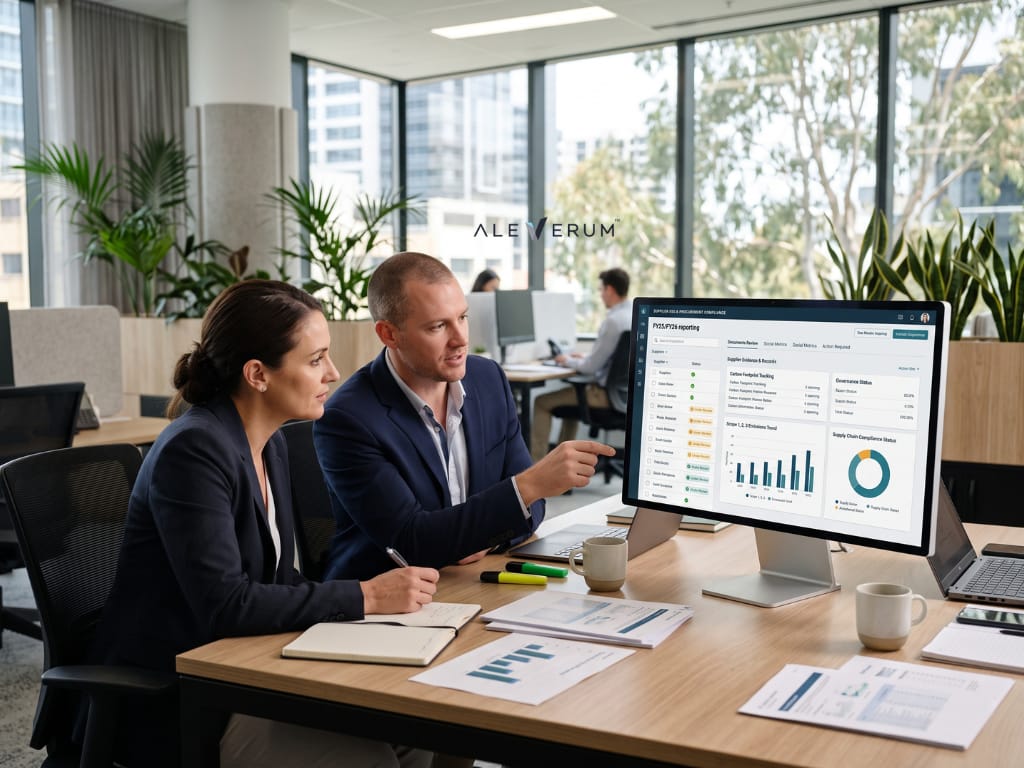
Supplier records may be supported by calculation methodologies, certificates, environmental reports, invoices, emissions statements, utility records or other documents.
Sustainability reporting software can keep that evidence connected with the relevant information.
If a supplier provides emissions data for a particular facility and reporting year, for example, the supporting methodology can remain attached to the same record. If the methodology changes, the newer version can be retained without removing the history of the earlier one.
The software does not automatically determine whether that evidence is technically correct.
Its value is in giving reviewers a clearer view of what was supplied, what it supports and whether it remains current.
That can be useful during internal review, customer due diligence and external assurance.
Connecting Supplier Information with Carbon and ESG Reporting
Sustainability reporting software can help move supplier information from collection into practical reporting processes.
This is where good data governance becomes particularly important because the same information may eventually be used for climate disclosures, procurement decisions, customer responses or corporate carbon footprint calculations.
Supporting corporate carbon footprint information
A corporate carbon footprint can include emissions associated with activities across an organisation’s value chain.
Supplier information may therefore contribute to parts of that calculation.
Sustainability reporting software can help maintain the underlying records, including source information, reporting periods, methodologies and supporting evidence.
However, managing the information should not be confused with calculating the emissions themselves.
Specialist carbon accounting processes may still be needed to apply emission factors, convert activity data and calculate relevant Scope 3 categories.
The useful role of the software is to preserve the information behind those calculations so teams can understand how the result was produced.
This is especially helpful when different methods are used across the organisation. Supplier-specific data may be available in one area, while estimates or activity-based calculations are required elsewhere.
Those differences should remain visible.
Supporting practical ESG compliance workflows
Sustainability reporting software can also support ESG compliance by organising responsibilities, evidence, status and review information.
It should not be treated as a system that automatically decides whether an organisation is compliant.
Reporting obligations depend on factors such as jurisdiction, organisational size, reporting scope and the framework involved.
The more practical benefit is giving reporting teams access to organised information when they need it, while retaining a clearer history of where that information came from.
For Australian organisations, that can support local climate reporting as well as information requests from international customers.
Reusing Supplier Data Across Different Requirements
A structured collection process can help businesses identify missing supplier information and reduce reliance on disconnected spreadsheets.
Sustainability reporting software should help organisations avoid collecting the same information repeatedly for different reporting frameworks.
This is particularly relevant for Australian companies operating in international supply chains.
A supplier may receive one climate information request from an Australian customer, another environmental questionnaire from a European organisation and a separate product information request through procurement.
If every request is handled independently, duplication quickly grows.
Preparing information for CSRD-related requests
Sustainability reporting software can help Australian organisations structure information that may be requested by customers or related businesses dealing with CSRD compliance.
The European sustainability reporting environment has also changed through the Omnibus simplification process.
Businesses researching omnibus directive ESG should therefore avoid assuming that every historical CSRD requirement continues unchanged or that every sustainability request from a customer is automatically a legal requirement.
Even where an Australian supplier is not directly within scope, a customer may still request information for reporting, procurement or risk-management purposes.
Maintaining reusable supplier and environmental records can make those requests easier to respond to without starting the collection process again each time.
Organising information used in CSRD IRO processes
Supplier information may also provide useful context for identifying impacts, risks and opportunities across a value chain.
A supplier’s activities, location, materials or environmental information may contribute to a broader assessment.
Sustainability reporting software can keep those records connected with the relevant supplier, facility or activity.
It should not automatically determine which impacts, risks or opportunities are material.
A CSRD IRO assessment still involves methodology, professional judgement and wider business context.
The value of structured information is that the evidence can be found and reviewed when that judgement needs to be made.
Choosing Sustainability Reporting Software for Supplier Data
Selecting sustainability reporting software should start with the organisation’s actual data problems rather than the appearance of the dashboard.
Businesses should look at how supplier information currently enters the organisation, where it is stored, who reviews it and where gaps or duplication regularly occur.
Features worth comparing
A useful system should allow suppliers to be connected with relevant products, facilities, materials, reporting periods and supporting documents.
Teams should be able to identify incomplete records, expired evidence and information that is still waiting for review.
Version history is also important because sustainability records change. Users should be able to identify the current information without losing the records used for previous reporting.
Permissions should reflect the sensitivity of the information. Supplier records may include commercial or confidential material that should not be available to every user.
Integration is another important consideration.
Supplier, procurement and financial records may already exist in ERP, product, procurement or other enterprise systems. Sustainability reporting software should ideally complement those sources rather than require employees to manually recreate the same information.
Export and API capabilities can also help ensure the information remains usable across reporting tools, advisers and other systems.
Understanding the difference between ESG platforms
Environmental social and governance software covers many different types of technology.
Some platforms specialise in carbon calculations. Others focus on disclosure management, supplier questionnaires, risk, reporting dashboards or ESG metrics.
Businesses managing supplier information may require something different: a governed way to maintain relationships between suppliers, products, materials, facilities and the evidence supporting them.
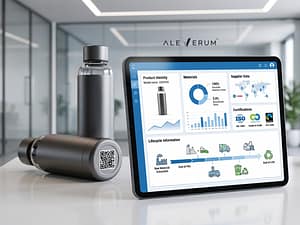
Aleverum™ is designed around governed product, supplier, material, facility and evidence information. Its approach can help organisations maintain source, evidence, history and Data Pedigree while connecting information from suppliers, documents, APIs and enterprise systems.
When comparing Aleverum™ with other sustainability reporting software, it is useful to test each platform against a real supplier workflow.
Can the system show where information originated, which period it covers, what evidence supports it, whether it has been reviewed and what product, facility or reporting activity it relates to?
Those practical relationships are often more important than having another dashboard.
Build Supplier Data Management Into Normal Operations
Supplier Data for Carbon Reporting
Sustainability reporting software is more useful when supplier information is maintained throughout the year rather than collected only when a reporting deadline approaches.
Waiting until the last moment can create delays, especially when suppliers need time to locate information, explain methodologies or correct incomplete records.
Establishing ongoing supplier data governance
Businesses should establish clear ownership for supplier sustainability information.
Procurement may manage supplier relationships, sustainability teams may define environmental requirements, and finance or reporting teams may rely on the information for disclosures.
Those responsibilities need to work together.
A practical process should establish what information is required, who is responsible for it, how frequently it needs to be updated and what should happen when evidence expires.
Not every supplier needs the same level of attention.
A relevance-based approach can be more practical when particular suppliers, products or categories have a greater influence on environmental sustainability or the organisation’s corporate carbon footprint.
Maintaining this information regularly also reduces the pressure associated with annual reporting because teams spend less time searching for records that should already be available.
Preparing for requirements that will continue to change
Sustainability reporting software should not lock supplier information into a single reporting framework.
Regulations change, questionnaires evolve and reporting methodologies develop over time.
The more resilient approach is to govern the underlying information well.
Supplier identity, reporting period, evidence, source, methodology, facility relationships and review history can remain useful even when the final disclosure format changes.
For Australian businesses, a practical place to begin is by reviewing how supplier sustainability information currently enters the organisation.
Look at which records arrive by email, which remain in spreadsheets, what supporting evidence is retained and where teams struggle to identify the source or current status of information.
From there, the organisation can determine whether its existing systems are sufficient or whether sustainability reporting software would provide a more structured approach.
Aleverum™ can support organisations that need to connect supplier, product, material, facility and evidence information within a governed information foundation.
The goal is not simply to collect more sustainability data. It is to make the information easier to understand, trace, maintain and reuse when the organisation actually needs it.
