

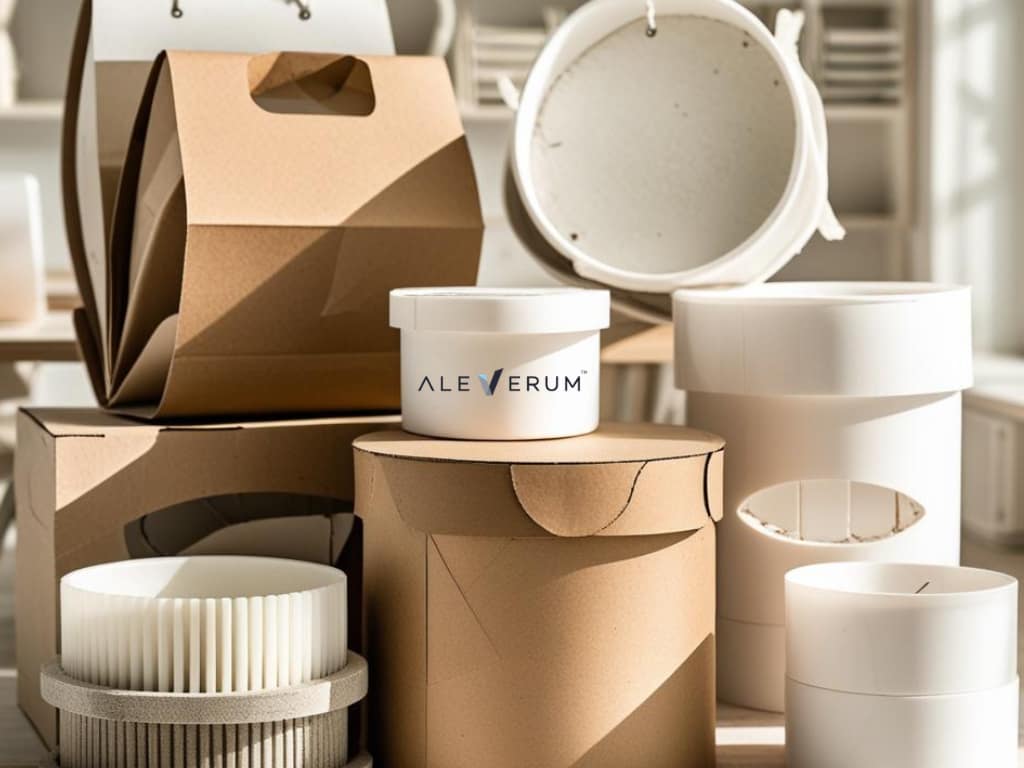
A circular economy is a way of designing, using and managing products so materials stay in use for longer. Instead of following a simple take, make and waste model, a circular approach looks at how products can be designed better, repaired, reused, shared, refurbished, recycled or recovered.
For Australian businesses, this idea is becoming more important. Customers, regulators, supply chain partners and investors are paying closer attention to sustainability, waste, carbon emissions and product responsibility. Therefore, circular economy planning is not only an environmental topic. It can also support better product decisions, stronger supply chain records and more practical business planning.
Australia’s Circular Economy Framework says the transition can help businesses cut emissions and waste while creating opportunities to innovate, capture new markets and organise operations. It also identifies industry, the built environment, agriculture and food, and resources as priority sectors for action.
What circular economy means for businesses
A circular economy helps businesses think about the full life of a product. This includes how materials are sourced, how the product is designed, how long it lasts, how it is repaired, and what happens after use.
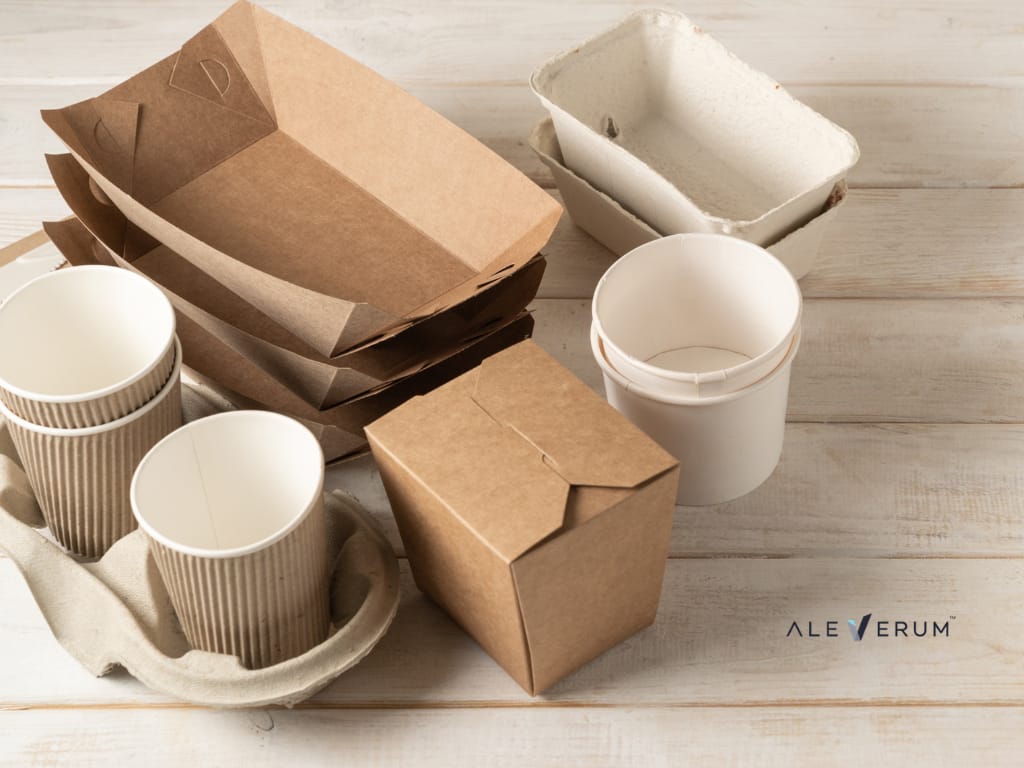
For example, a business may review whether a product can use fewer raw materials. It may also check whether packaging can be reduced, reused or recycled. In addition, it may look at whether spare parts, repair instructions or take-back options can extend the product’s useful life.
This approach supports sustainability because it focuses on reducing waste at the source. It also encourages businesses to use resources more carefully before products reach landfill.
Why circular planning is different from basic recycling
Recycling is important, but it is only one part of the circular economy. Circular planning starts much earlier. It asks whether waste can be avoided before the product is made.
For instance, a product may be easier to repair if it is designed with replaceable parts. Packaging may create less waste if it uses fewer materials. A business may also reduce its carbon footprint by choosing durable products, better materials or more efficient supply processes.
Therefore, a circular economy is not just about what happens at the end of a product’s life. It is also about design, procurement, production, use, repair, reuse and recovery.
Sustainability, Waste and Resource Use
Material choices can affect environmental sustainability. A business may need to consider durability, repairability, recycled content, recyclability, packaging, transport impacts and the expected life of the product.
However, sustainability claims should be handled carefully. If a business says a product is carbon neutral, recyclable, low emission or environmentally friendly, that claim should be supported by reliable evidence. If it has not been checked, it should be marked as [VERIFY].
The Australian Bureau of Statistics tracks circular economy indicators, including material footprint per person. Its data shows Australia’s material footprint per capita was 31.1 tonnes in 2024, which gives businesses and policymakers a way to understand resource demand over time.
Why businesses should review waste before making claims
Before making sustainability claims, a business should review where waste is created. Waste may come from raw materials, packaging, damaged stock, returns, offcuts, single-use items, poor storage, short product life or unclear recycling pathways.
Once the waste sources are known, the business can decide what to improve first. Some changes may be simple, such as reducing excess packaging. Other changes may need supplier discussions, product redesign, traceability systems or new customer return processes.
This step is important because circular economy work should be practical. It should not rely on broad claims that sound good but cannot be proven.
Carbon Footprint and Emissions
How product design affects carbon emissions
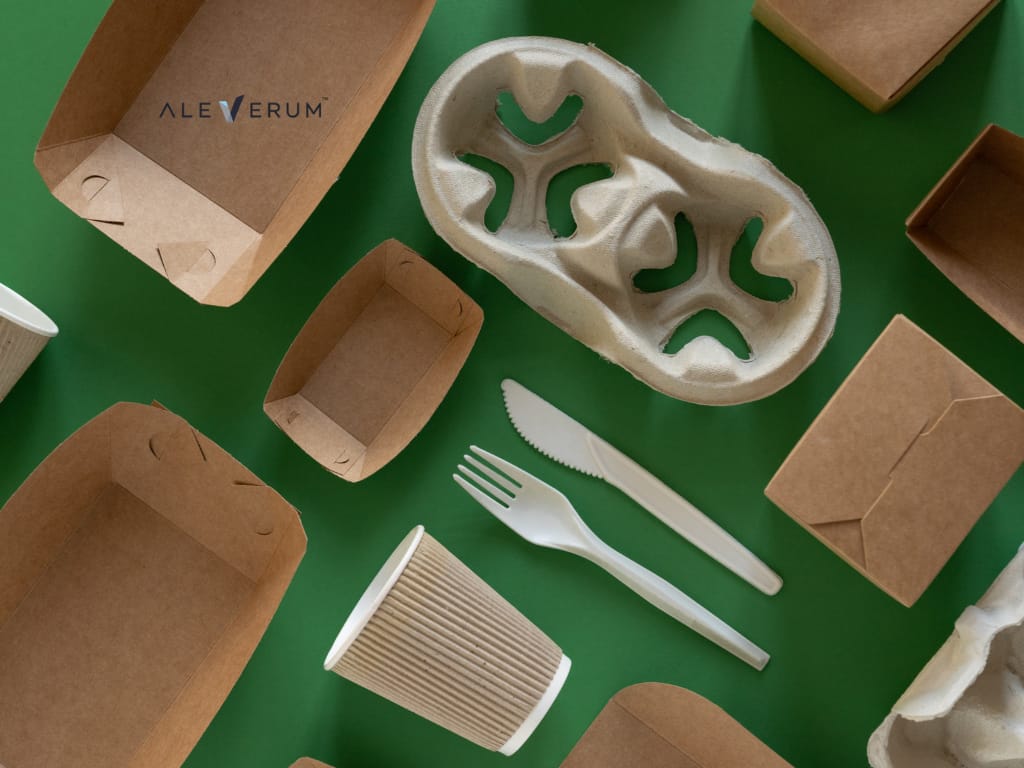
Product design can affect carbon emissions across the full product lifecycle. This may include raw material extraction, production, packaging, transport, use, repair and end-of-life handling.
For example, a product that lasts longer may reduce the need for frequent replacement. A repairable product may keep materials in use for longer. Also, lighter or better-designed packaging may reduce material use and transport impact.
Australia’s Circular Economy Framework states that circularity is an important tool for reducing the carbon footprint while helping restore ecosystems and natural capital. It also sets an ambition to double Australia’s circularity by 2035.
Why greenhouse emissions should be measured carefully
Greenhouse emissions should be measured carefully because emissions can occur at different stages of a product or service. Some emissions come directly from business operations. Others come from purchased materials, transport, suppliers, customer use or disposal.
Because of this, a business should avoid guessing. It should use reliable records, supplier data and recognised methods where possible. If a carbon footprint or carbon neutral claim is being made for marketing, procurement or reporting, it should be supported by evidence and marked as [VERIFY] if not confirmed.
In addition, businesses should understand the difference between reducing emissions and offsetting emissions. A carbon neutral claim should not be made unless the business can show how emissions were measured, reduced where possible and offset using a credible method.
Circular Economy in Australian Business Planning
Australian circular economy policy is moving toward better materials use, stronger product stewardship and more efficient resource management. The Productivity Commission’s 2026 inquiry found that government can support sustainable and efficient materials use through regulation reform, stronger product stewardship obligations, coordination and innovation.
For businesses, this means circular economy planning may become more relevant to procurement, packaging, product design, sustainability reporting and supplier selection.
However, not every business needs the same approach. A food manufacturer, fashion brand, equipment supplier, construction company and e-commerce retailer may all have different circular economy priorities.
Why product, packaging and supply chain records matter
Circular economy planning depends on good records. A business may need product data, supplier details, material specifications, packaging information, repair guidance, recycling pathways and end-of-life instructions.
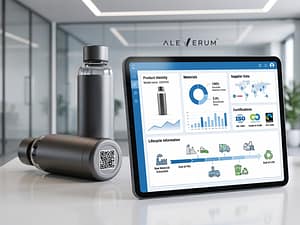
These records can support better decisions. They can also help a business respond to customer questions, retailer requirements, sustainability reviews or future digital product information needs.
Therefore, businesses should not treat circular economy work as a one-off marketing task. It should connect with product management, procurement, operations, data systems and supply chain traceability.
How to Choose the Right Product or Service
What to ask before starting a circular economy project
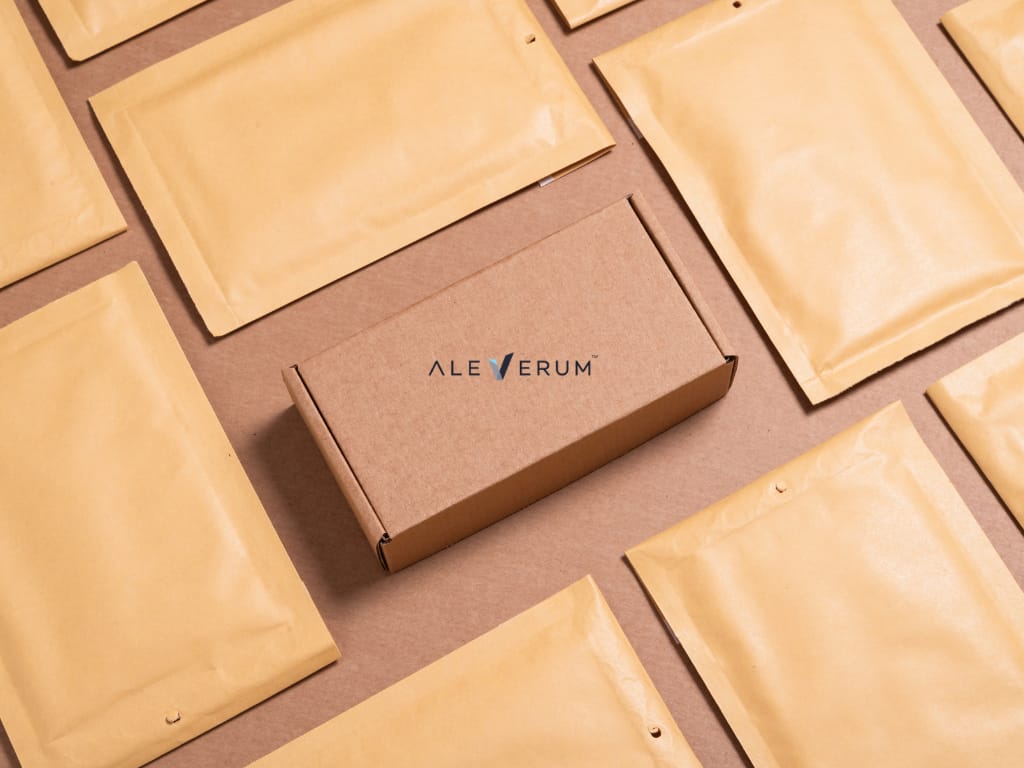
Before starting a circular economy project, ask what problem needs to be solved. The issue may be packaging waste, short product life, poor repairability, unclear supplier data, high disposal costs or unsupported sustainability claims.
Next, ask what information is available. A business may need product records, supplier documents, material data, carbon footprint information, repair instructions, warranty records or waste reports.
It is also helpful to ask who will own the process. Circular economy work may involve operations, procurement, marketing, product development, compliance and customer service.
How to compare strategy, data quality and implementation support
When comparing circular economy support, do not only look for broad sustainability language. A useful provider should help the business understand its products, data, suppliers, risks and practical improvement options.
A strong strategy should explain what can be improved now, what needs more evidence and what should be monitored over time. It should also help the business avoid unsupported carbon neutral, low-emission or environmental sustainability claims.
In addition, the provider should understand how product data, supply chain traceability and trusted digital information can support circular economy planning.
When to Contact Aleverum
Aleverum can be mentioned naturally when a business wants help reviewing product data, supply chain information, trusted digital records or circular economy readiness.
This may be useful when a business is unsure where product records are stored, which sustainability claims are supported, how supplier information is managed, or whether current systems can support future circular economy reporting.
A useful discussion should begin with the product category, material inputs, supplier records, packaging information, carbon footprint goals and business priorities.
How structured product data can support better decisions
Structured product data can help a business make clearer circular economy decisions. For example, product records may show which materials are used, which suppliers are involved, how packaging is managed and whether repair or recycling information is available.
As a result, the business can identify gaps before making public claims or changing product systems. It can also decide whether it needs better traceability, clearer supplier records, improved sustainability reporting or a digital product information process.
The aim is to make circular economy planning practical, measurable and easier to maintain over time.
Turning Circular Economy Goals into Action
How to start with practical improvements
A business can start by reviewing one product group, packaging type, supplier category or waste stream. This makes the process easier to manage.
After that, the business can check what information is accurate, what needs verification and what changes could reduce waste or improve product life. For example, it may find that packaging can be simplified, repair instructions can be improved or supplier records need better structure.
In addition, the business should decide how progress will be tracked. Without clear records, it can be difficult to prove improvement.
Internal linking opportunities and next steps
This article can naturally link to related pages such as circular economy, sustainability, environmental sustainability, carbon footprint, carbon emissions, greenhouse emissions, carbon neutral and carbon cycle.
The next step is to review your products, packaging, supplier records, waste sources and sustainability claims. Then identify which changes are practical now and which require better data first.
A good circular economy plan should help a business reduce waste, improve product information, lower avoidable impacts and make more confident sustainability decisions.
